What Are Food Wholesalers?
Food wholesalers are companies that supply bulk food products to businesses such as restaurants, hotels, catering services, and supermarkets. They act as intermediaries between food manufacturers and retailers, ensuring a steady supply of ingredients and packaged goods at competitive prices.
Benefits of Working with Food Wholesalers
1. Cost Savings
Buying in bulk lowers the cost per unit, helping businesses reduce overall expenses and increase profit margins.
2. Consistent Supply Chain
Reliable food wholesalers provide a stable source of products, ensuring businesses never run out of essential ingredients.
3. Diverse Product Range
Many wholesalers offer a wide selection, including fresh produce, dairy, meat, seafood, frozen goods, and dry pantry staples.
4. Compliance with Safety Standards
Reputable wholesalers adhere to food safety regulations and certifications such as HACCP, ISO, and Halal, ensuring quality and compliance.
Types of Food Wholesalers
1. Fresh Produce Wholesalers
Specialize in fruits, vegetables, and herbs, sourcing from local farms and international suppliers.
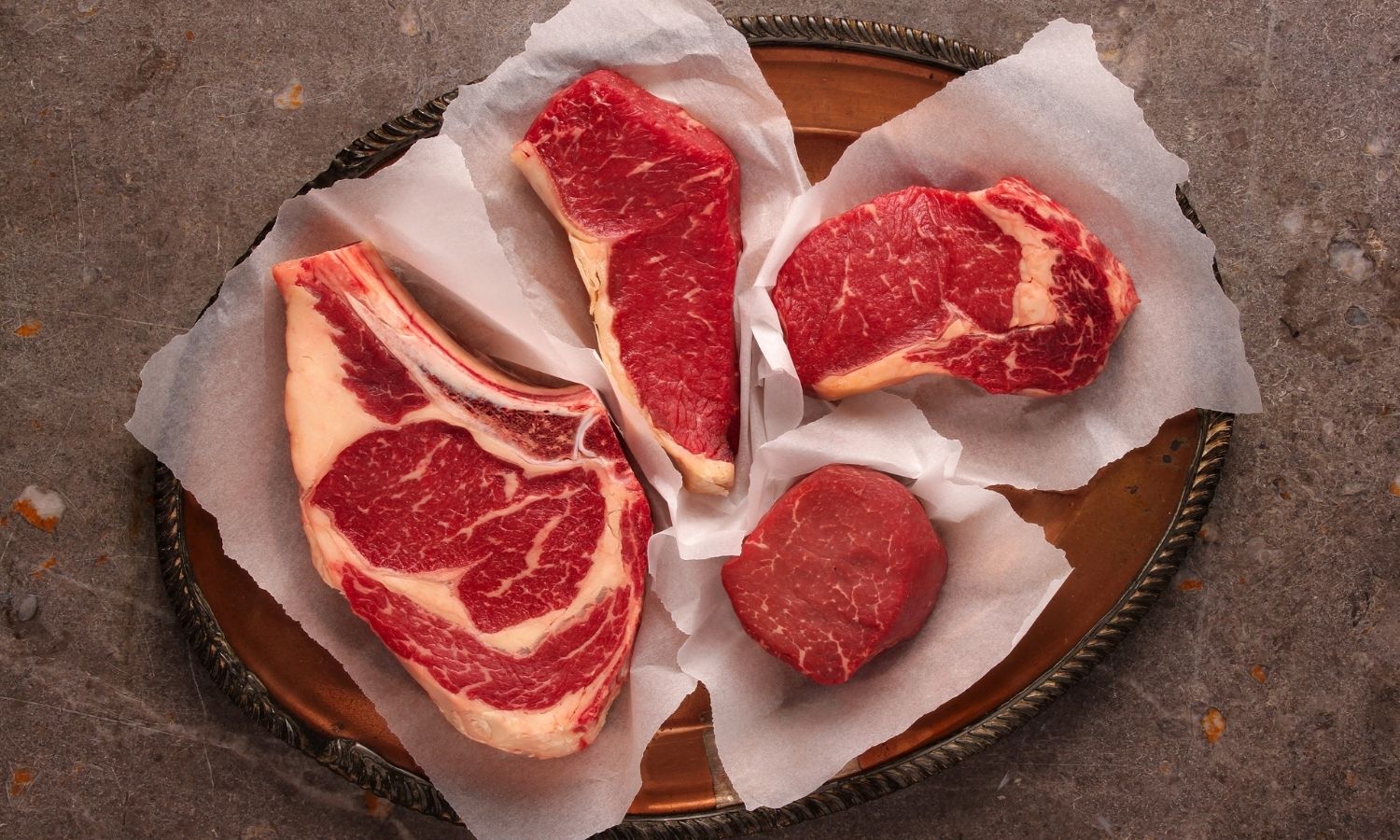
2. Meat & Seafood Wholesalers
Supply poultry, beef, lamb, seafood, and frozen meat products for food service establishments.
3. Dairy & Bakery Wholesalers
Provide milk, cheese, butter, eggs, flour, sugar, and other baking essentials.
4. Frozen & Processed Food Wholesalers
Offer frozen meals, pre-packaged food, snacks, and processed ingredients for quick meal preparation.
5. Beverage & Dry Goods Wholesalers
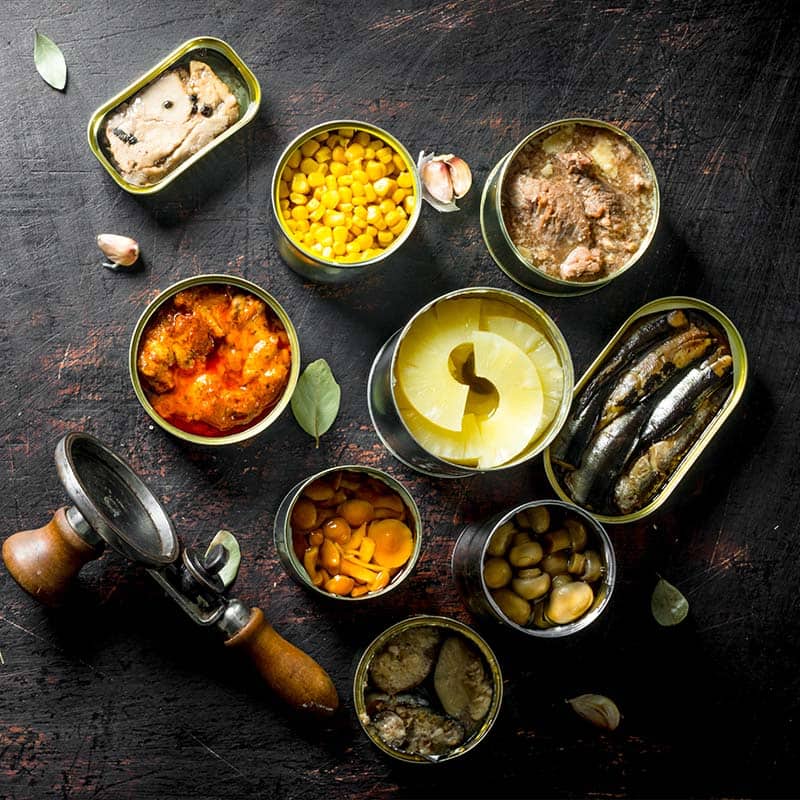
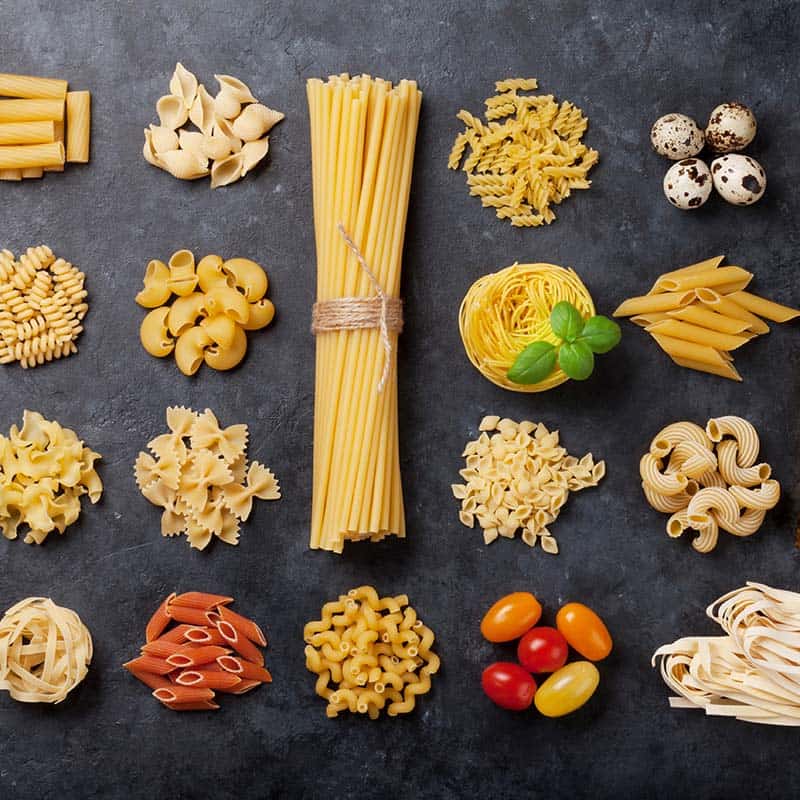
Distribute coffee, tea, grains, canned goods, spices, and condiments in large quantities.
How to Choose a Reliable Food Wholesaler
1. Quality & Safety Certifications
Ensure the wholesaler meets industry standards, such as HACCP and Halal certification, to guarantee product quality.
2. Competitive Pricing & Payment Terms
Compare pricing structures, discounts, and payment options that align with your business needs.
3. Delivery & Logistics Efficiency
A good wholesaler should offer timely deliveries with proper cold storage and transportation management.
4. Customer Support & Flexibility
Look for a supplier that provides excellent customer service, flexible order quantities, and customized solutions.
Industry Trends in Food Wholesaling
- Sustainability & Eco-Friendly Packaging: Increasing demand for sustainable sourcing and environmentally friendly packaging.
- Digital Transformation: Online ordering platforms and automated inventory management enhance supply chain efficiency.
- Growth in Organic & Specialty Foods: More businesses are sourcing organic, gluten-free, and plant-based food products to meet consumer preferences.
Conclusion
Food wholesalers play a vital role in the food supply chain by offering bulk products at cost-effective prices. Choosing the right wholesaler involves considering product quality, pricing, logistics, and customer service. By forming strong partnerships with reliable suppliers, businesses can ensure efficiency, profitability, and sustainability in their operations.
Tags: food wholesalers